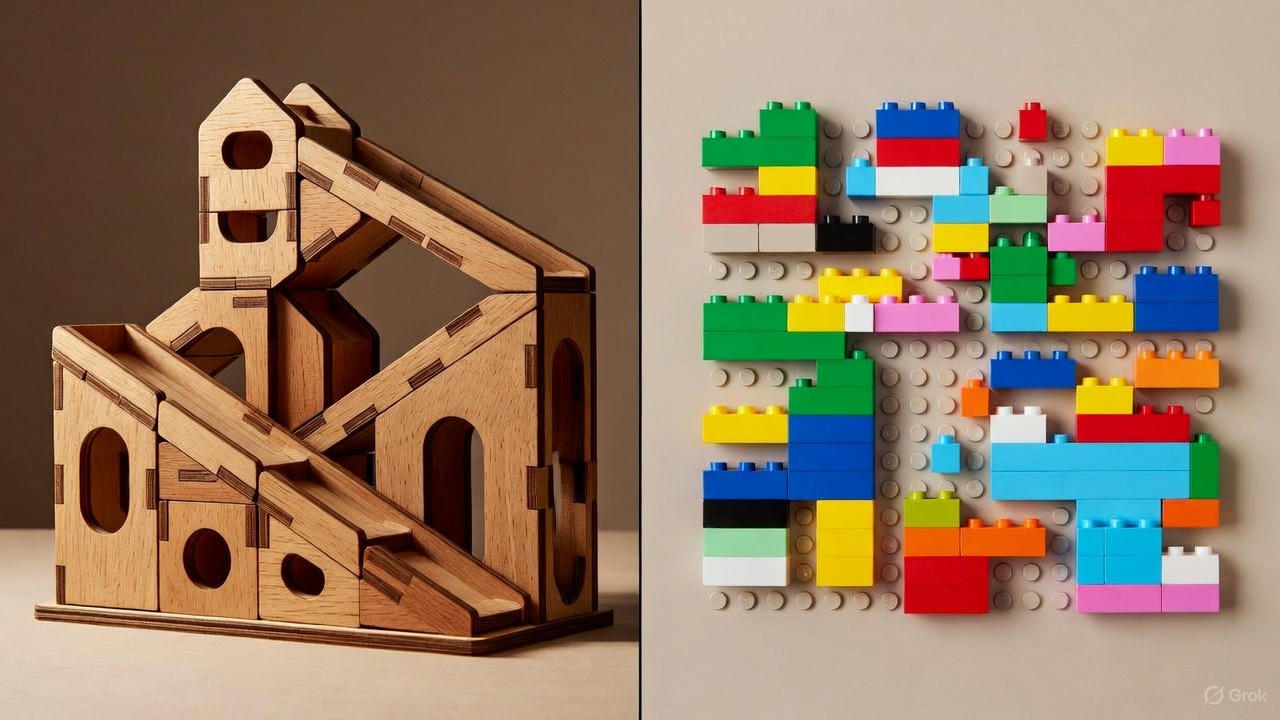
Standing in the hobby section contemplating your next building project, you're confronted with a fundamental choice that extends far beyond simple material preference.
The decision between 3D wooden puzzles and plastic models represents two distinct philosophical approaches to constructive hobbies, each offering unique experiences, challenges, and satisfactions that appeal to different builder personalities and skill sets.
After twenty-five years constructing over 800 models spanning both categories—from intricate Robotime mechanical dragons to complex Bandai Gundam kits, from simple LEGO Architecture sets to elaborate ROKR marble runs—I've developed a comprehensive understanding of how these materials, construction methodologies, and final products differ in ways that significantly impact builder experience and long-term satisfaction.
This detailed comparative analysis examines wooden puzzle kits and plastic models across multiple dimensions: material properties, construction techniques, difficulty progression, aesthetic outcomes, cost considerations, and ideal use cases.
By understanding these distinctions, you can make informed decisions aligned with your personal preferences, skill level, budget constraints, and display objectives.
Understanding the Fundamental Material Differences.
The material composition of wooden puzzles versus plastic models creates cascading effects throughout every aspect of the building experience.
3D Wooden Puzzle Construction: Natural Material Characteristics.
Primary materials employed:
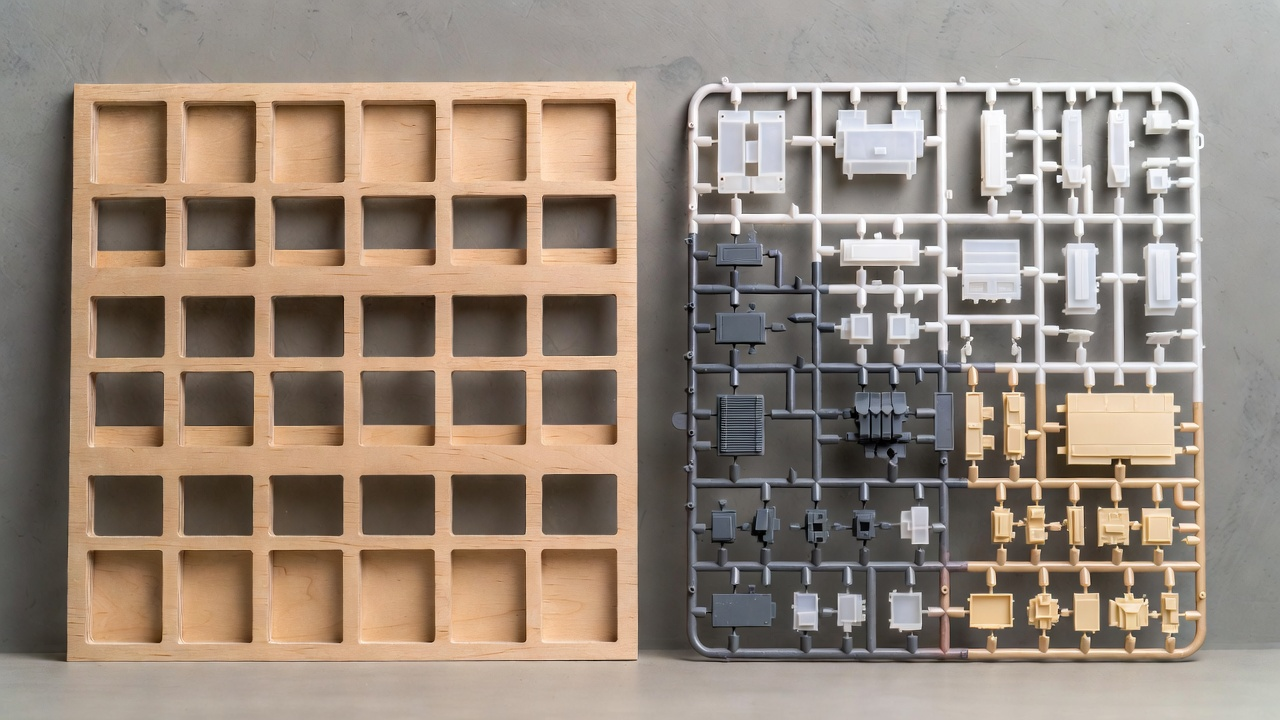
Modern wooden puzzle kits (ROKR, Robotime, Rolife, UGears) utilize laser-cut plywood, typically basswood or birch, ranging from 2mm to 4mm thickness. The manufacturing process involves:
- Computer-aided design (CAD): Digital models translated into flat cutting patterns.
- Laser cutting: High-precision CO2 or fiber lasers cut intricate components from plywood sheets.
- Surface treatment: Some manufacturers apply light sanding or protective coatings.
Material properties affecting construction:
- Hygroscopic nature: Wood naturally absorbs and releases moisture in response to environmental humidity changes. This creates practical implications:
- Seasonal dimensional changes: Components may swell in humid conditions or contract in dry environments, affecting fit tolerances.
- Storage considerations: Unbuilt kits should be stored in moderate humidity (40-60% RH) to prevent warping.
- Grain structure: Unlike plastics' uniform composition, wood possesses directional grain patterns. Components are strongest along the grain but can split if stressed perpendicular to it.
- Natural color variation: Even within single plywood sheets, subtle color differences exist, enhancing the authentic, handcrafted aesthetic.
Plastic Model Construction: Engineered Material Advantages.
Primary plastic types utilized:
- Acrylonitrile Butadiene Styrene (ABS): LEGO's proprietary material, selected for dimensional stability, impact resistance, and precise clutch power.
- Polystyrene (PS): Standard material for scale models (Revell, Tamiya, Bandai), offering exceptional detail reproduction and easy bonding with solvent cement.
Material properties affecting construction:
- Dimensional consistency: Unlike wood, plastic maintains constant dimensions regardless of environmental conditions. Parts fit identically whether assembled in humid coastal regions or arid desert climates.
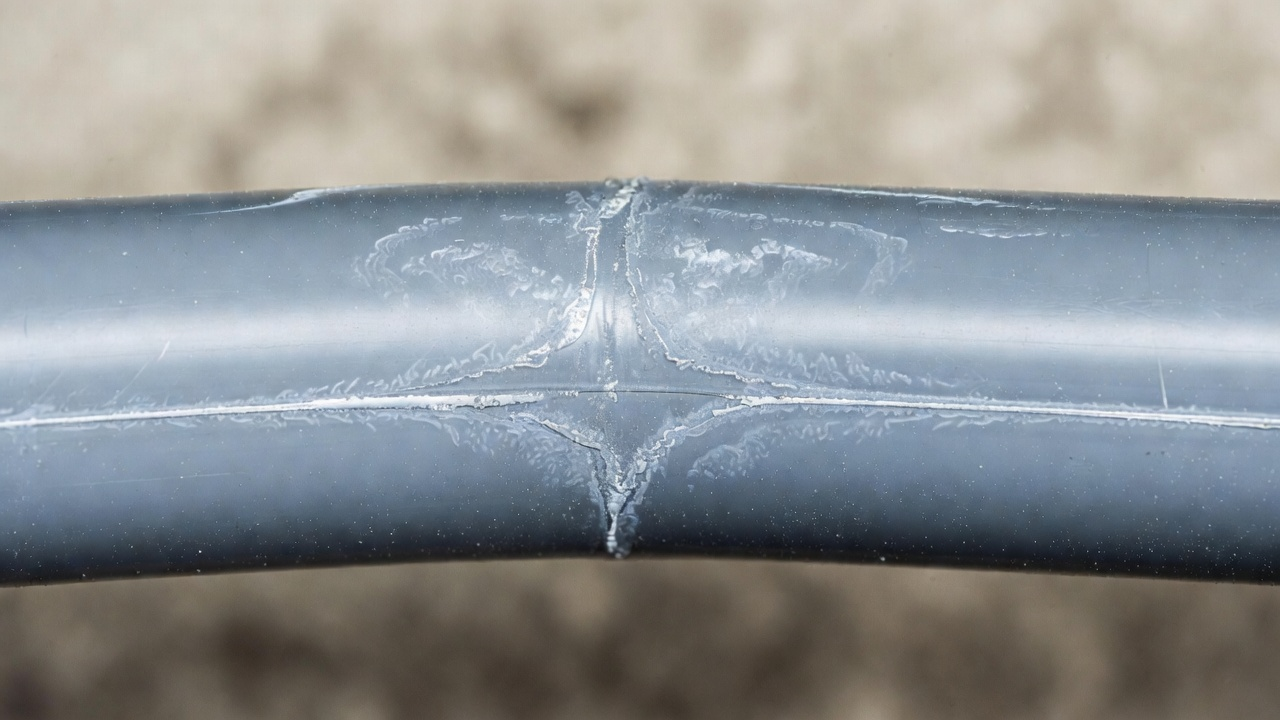
- Stress-whitening phenomenon: When plastic components experience excessive bending or impact, stress concentrations create visible white marks.
- Molding capabilities: Injection molding allows for complex 3D geometries, undercuts, and surface textures (like rivets or panel lines) that are impossible to achieve with flat laser-cut wood.
Comparative Construction Experience Analysis.
The building process—the actual hands-on experience of assembling components—diverges significantly between wooden puzzles and plastic models.
Wooden Puzzle Assembly: Mechanical Engineering Focus
Component removal:
Wooden pieces connect to laser-cut sheets via small tabs (1-2mm wide). Proper removal requires identifying connection points and often light sanding (220-320 grit) to remove char marks. In my experience, component removal and prep consumes 15-25% of total build time, compared to just 5-10% for plastic.
Assembly methodology:
Most wooden puzzle kits employ mechanical joints rather than adhesive bonding:
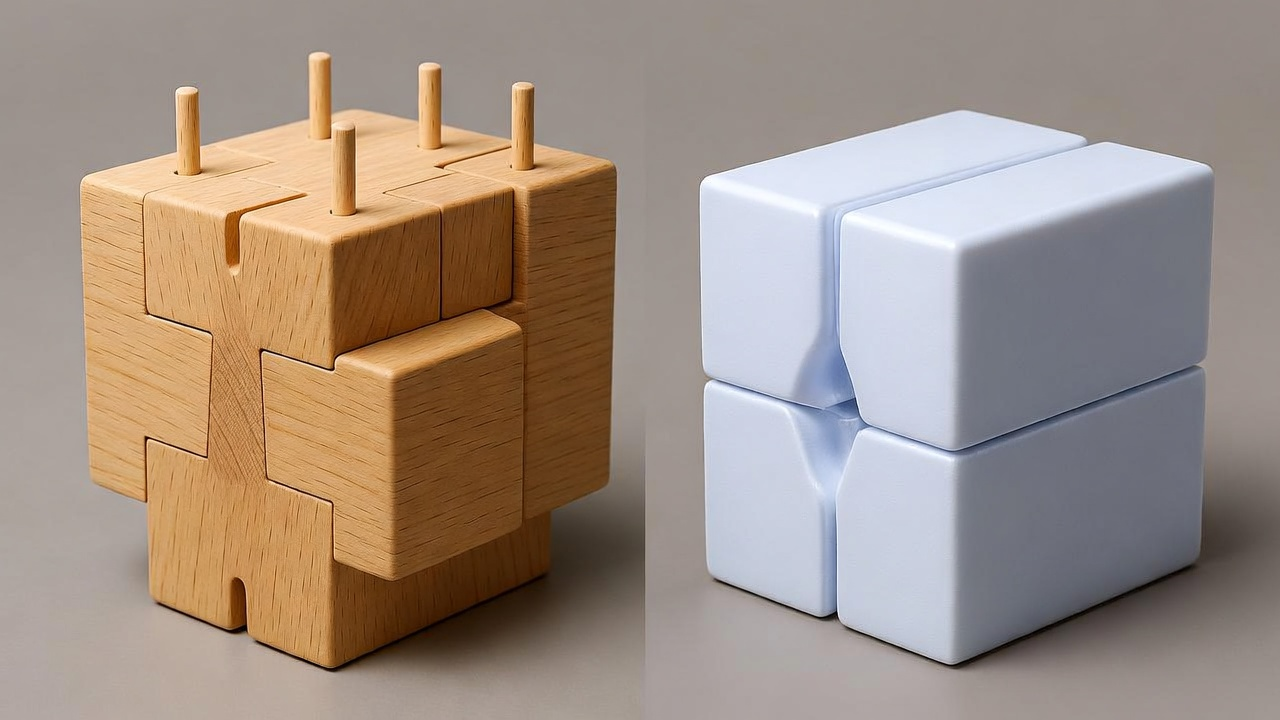
- Tab-and-slot construction: Rectangular tabs insert into corresponding slots using friction fits.
- Locking mechanisms: Perpendicular locking tabs prevent backward movement.
- Geometric interlocking: Dovetails and mortise-and-tenon joints provide multi-directional resistance.
Physical demands:
Inserting tight-fitting tabs requires sustained finger pressure (approx. 20-40 Newtons). To mitigate finger fatigue during long sessions, I recommend using rubber finger caps or assembly pliers with padded jaws.
Plastic Model Assembly: Precision and Permanence
Component removal:
Plastic parts connect to runner systems (sprues) via gates. Proper removal requires flush-cut sprue nippers (like Xuron 410 or Tamiya 74035) to prevent stress marks.
Assembly approaches:
- LEGO snap-fit system: Uses exact interference fits (clutch power) that allow for disassembly and unlimited reconfiguration.
- Scale model cement bonding: Uses solvent cement (Methyl Ethyl Ketone) to chemically "weld" polystyrene parts together. The bond is permanent and stronger than the surrounding plastic.
- Snap-fit scale models (Bandai): Precision molding enables mechanical assembly without cement, ideal for beginners or articulated figures like Gundam.
Complexity Progression and Skill Development.
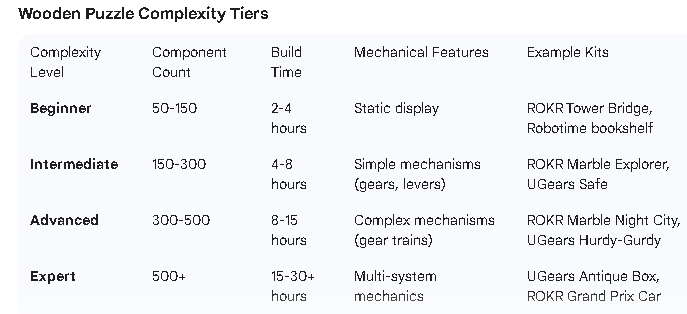
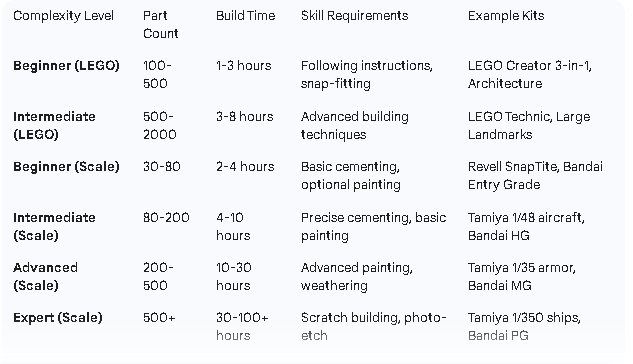
Both hobbies offer entry points for beginners and challenges for experienced builders, but the progression pathways differ.
Wooden Puzzle Complexity Tiers
Plastic Model Complexity Tiers.
Aesthetic Outcomes and Display Considerations.
Wooden Puzzle Display Characteristics
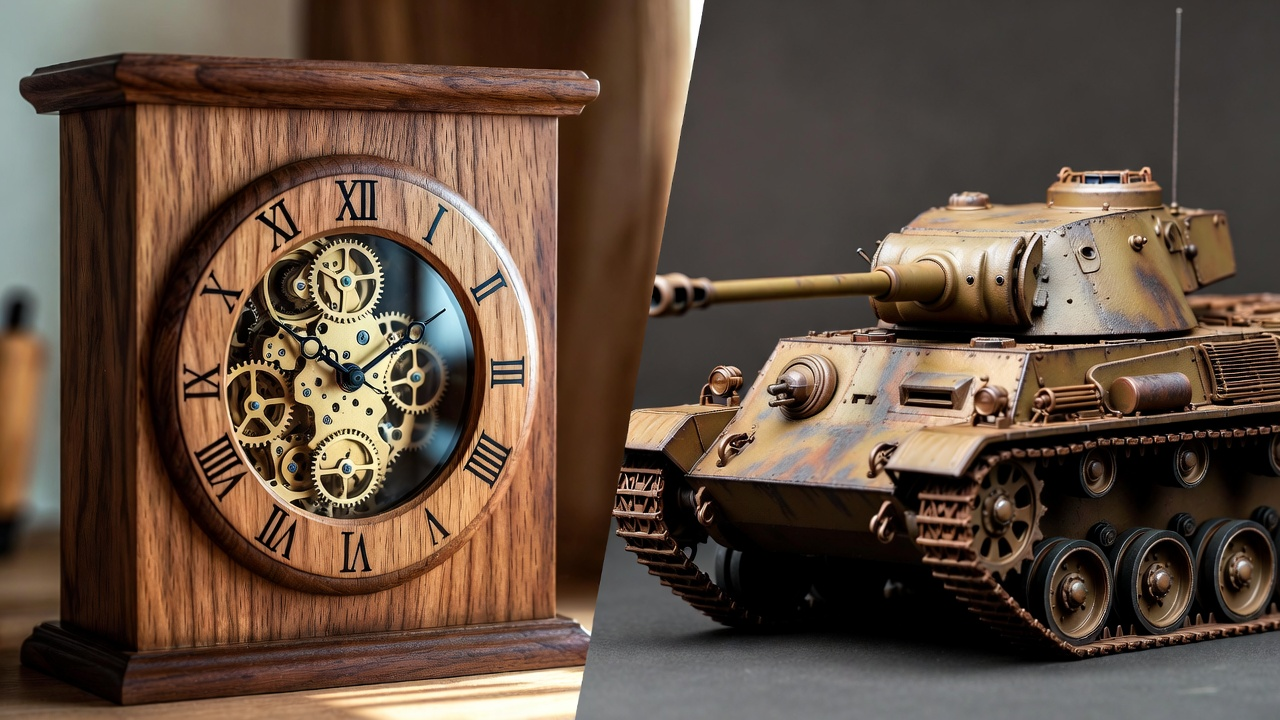
- Visual qualities: The visible wood grain and warm tones create a sophisticated, artisanal aesthetic that fits well in home offices or traditional décor.
- Mechanical fascination: Functional kits (marble runs, clocks) serve as interactive conversation pieces rather than static objects.
- Dimensional presence: Wooden models often have a larger physical footprint than plastic kits at a similar price point.
Plastic Model Display Characteristics
- Precision detail: Injection molding captures rivets and textures at a sub-millimeter scale.
- Color versatility: Can be painted in unlimited schemes, weathered to look aged, or finished in high-gloss auto paints.
- Subject diversity: From sci-fi ships (Star Wars) to historical tanks and anime figures, plastic covers virtually every subject imaginable.
Cost Analysis: Investment vs. Value.
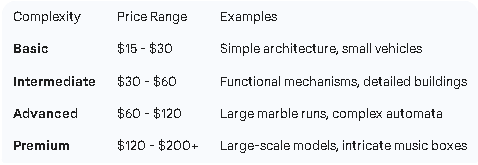
Understanding the complete financial picture—initial purchase, supplementary materials, and long-term considerations—enables informed budget decisions.
Wooden Puzzle Cost Structure.
- Required Supplements: Wood glue, sandpaper, wax ($12-19 total).
- Cost per build hour: Approximately $6.67/hour (based on ROKR Marble Night City).
Plastic Model Cost Structure (Scale Models)
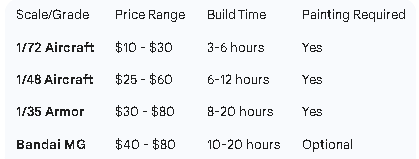
- Required Supplements: Cement, hobby knife, paints, brushes ($35-58 total minimum).
- Cost per build hour: Approximately $4.47/hour (based on Tamiya 1/48 P-51D Mustang), making it highly cost-effective if you invest the time in painting.
Essential Accessories and Pro Tips.
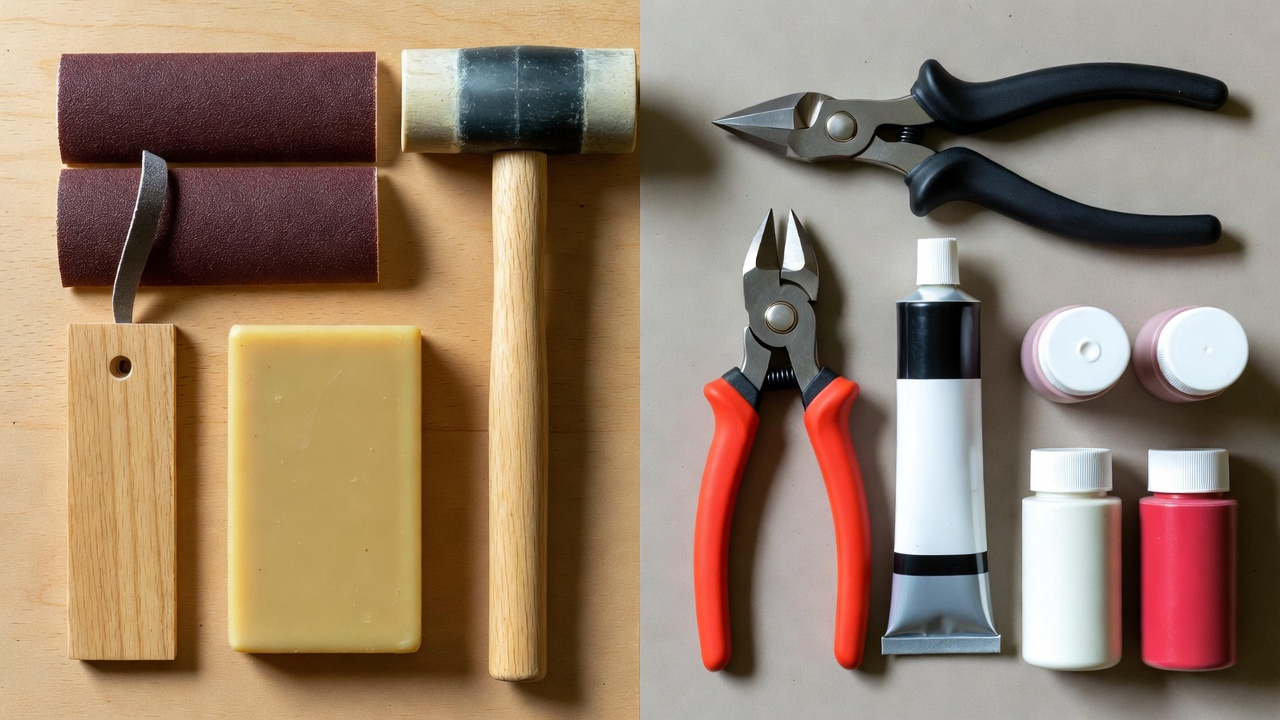
For Wooden Puzzle Builders
- Museum Wax ($6-8): Essential for stability. A small amount on the base prevents lightweight wooden models from tipping over.
- Fine-grit Sandpaper (220-400 grit): Critical for smoothing tabs and adjusting tight fits.
- Precision Craft Knife: For trimming stubborn connection tabs without splintering the wood.
- Optional: Wood stain (Minwax, Varathane) can dramatically elevate the perceived value of the finished kit.
For Plastic Model Builders
- Quality Sprue Cutters ($15-18): Vastly superior to generic wire cutters. Look for "single-blade" nippers for the cleanest cuts.
- Plastic Cement (Tamiya Extra Thin): Uses capillary action to flow into joints for a seamless weld.
- Acrylic Paint Set: Even on pre-colored kits, painting small details (panel lines, dry brushing) adds immense realism.
The Definitive Recommendation Framework.
Making the optimal choice requires honest self-assessment across multiple dimensions.
Choose 3D Wooden Puzzles If You:
- ✅ Appreciate mechanical functionality in display pieces.
- ✅ Prefer natural materials and organic aesthetics.
- ✅ Want immediate visual impact without painting requirements.
- ✅ Enjoy problem-solving and adapting to material challenges.
- ✅ Recommended First Kit: ROKR Luminous Globe (Check Price) — Moderate complexity with a beautiful rotating mechanism.
Choose Plastic Models If You:
- ✅ Enjoy painting and finishing as creative expression.
- ✅ Want perfect fit and precision in assembly.
- ✅ Seek unlimited customization through paint and modifications.
- ✅ Value reusability (LEGO) or permanent display (scale models).
- ✅ Recommended First Kit (LEGO): LEGO Icons Tranquil Garden — Relaxing, low-stress building.
- ✅ Recommended First Kit (Scale): Bandai Entry Grade RX-78-2 Gundam — No paint or cement required.
Conclusion: Embracing Your Chosen Path.
The choice between 3D wooden puzzles and plastic models represents more than material preference—it reflects your personal relationship with creative hobbies.
Wooden puzzles offer immediate accessibility, mechanical fascination, and sophisticated organic aesthetics requiring minimal supplementary investment.
They excel as gifts and interactive conversation pieces. Plastic models provide precision assembly, unlimited customization potential, and deep subject matter diversity.
Neither hobby is objectively "better." Your optimal starting point depends on an honest assessment of your patience levels, available workspace, and long-term goals.
Whether you choose the warm tactile satisfaction of laser-cut wood or the precise snap of expertly molded plastic, you're embarking on a constructive pursuit that provides the profound satisfaction of creating something tangible with your own hands.
Read Also: 3D Metal Puzzles for Beginners: Everything You Need to Know Before Your First Snip