⚡ Quick Verdict
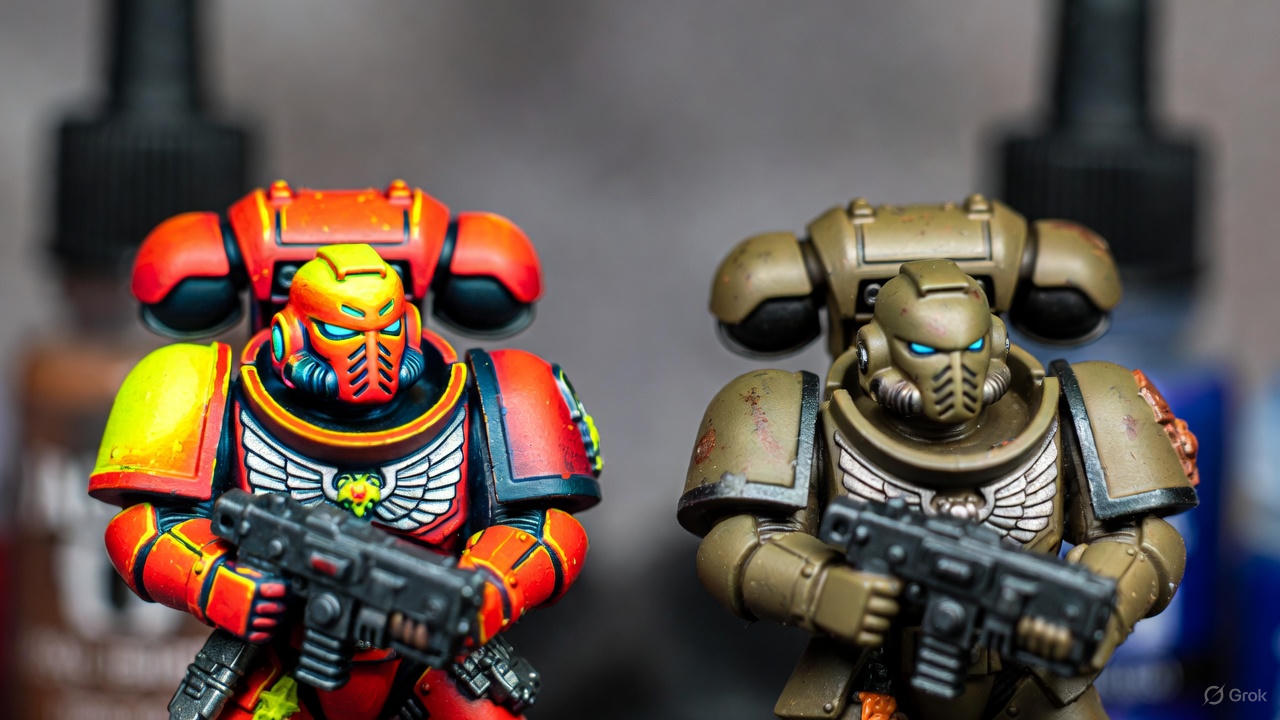
Army Painter Speedpaint 2.0 wins for vibrant saturation and the massive 90-color range—ideal for getting armies tabletop-ready fast.
Vallejo Xpress Color wins for precision control, longer working time for wet-blending, and realistic muted tones. Both have fixed the old "reactivation" issues.
Your choice depends on whether you prioritize speed and pop (Army Painter) or subtlety and control (Vallejo).
Introduction: The One-Coat Paint Revolution.
If you've spent any time on Reddit's r/minipainting or YouTube hobby channels in the past two years, you've seen the "Slapchop" method take over. Prime white, drybrush grey, hit it with a one-coat paint, done.
What used to take three layers (basecoat + shade + highlight) now happens in one pass.
The market has exploded with "one-coat" or "speed paints"—transparent acrylic paints with high pigment density and flow medium that let you paint and shade simultaneously. Citadel Contrast kicked this off in 2019, but they're expensive (~$7.80 per 18ml pot). Games Workshop's monopoly didn't last long.
Enter the challengers: Army Painter Speedpaint 2.0 (released as a redemption arc after 1.0's reactivation issues) and Vallejo Xpress Color (the "professional artist's" answer to Contrast). Both promise one-coat coverage. Both undercut Citadel's pricing. But which one actually delivers?
I've spent the last three months painting Space Marines, D&D goblins, and Marvel Crisis Protocol characters with both lines. I tested 12 colors from each range over white primer, grey primer, and zenithal undercoats. I intentionally layered them. I thinned them. I even tried to make them reactivate (spoiler: Speedpaint 2.0 finally fixed that nightmare).
Here's what you actually need to know before buying bottles for your next army.
The Contenders: Side-by-Side Specs.
Feature Army Painter Speedpaint 2.0 Vallejo Xpress Color
Price per Bottle ~$3.99 - $4.50 USD ~$4.25 - $4.50 USD
Bottle Size 18ml 18ml
Bottle Design Dropper (Screw Cap) + Mixing Balls Included Dropper (Screw Cap)
Color Range 90 colors (Complete Range) ~60 colors (Base + Wave 2 Extension)
Finish Satin (slight sheen) Matte
Primer Rec. White or light grey Any neutral tone
Reactivation? Fixed in 2.0 (Stable when dry) Never had this problem.
Round 1: Flow and Consistency (How They Feel on the Brush).
Army Painter Speedpaint 2.0
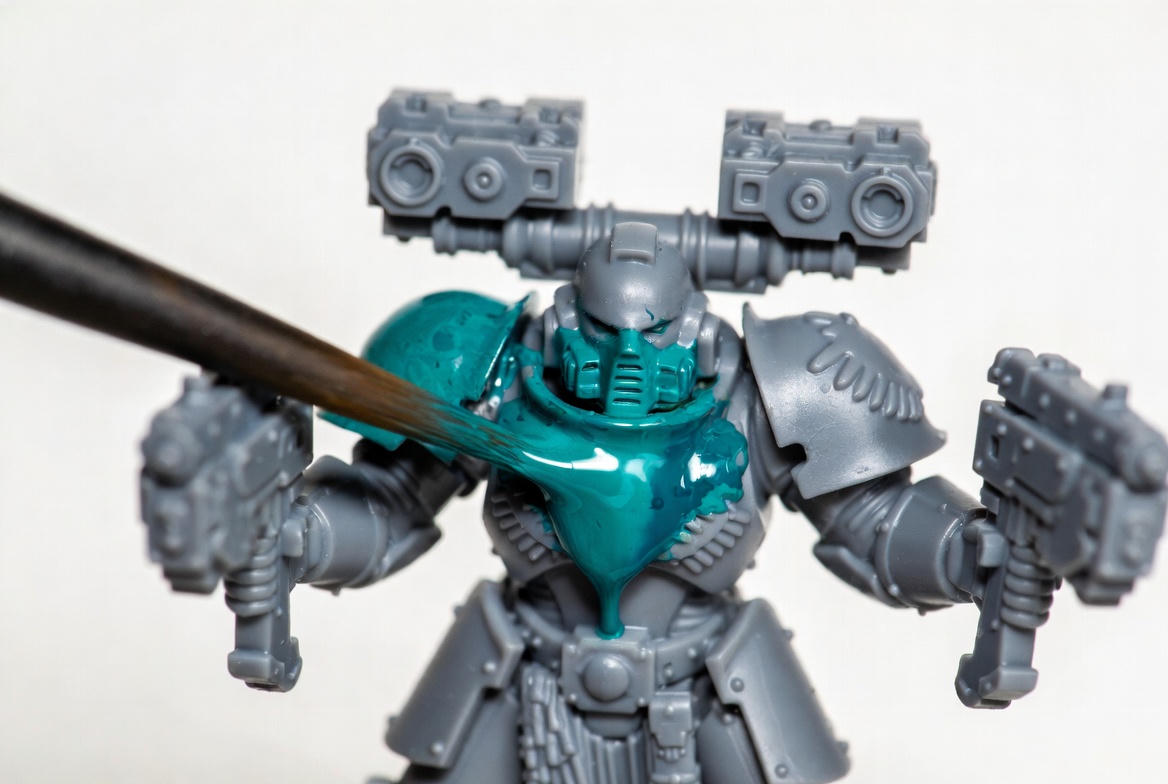
Consistency: Thin but not watery. Straight from the bottle, Speedpaint 2.0 has low surface tension—it flows off the brush easily and floods into recesses without manual encouragement.
In my testing, I applied Holy White (their white/cream tone) over a Wraithbone-primed Space Marine. The paint settled into panel lines within 10 seconds, creating instant shadows. No pooling in flat areas.
The catch: Because it flows aggressively, you need to control your brush load. Too much paint on the brush, and you'll get tide marks (those ugly rings where paint dries unevenly). I learned to wipe the brush once on a paper towel before applying. Once you nail the technique, it's fast—I painted 10 Intercessors' armor in 18 minutes.
Brush feel: Slightly slick. The medium has a silicone-like quality. Your brush glides, but you lose some tactile feedback. Not bad, just different from traditional acrylics.
Vallejo Xpress Color
Consistency: Thicker than Speedpaint 2.0, closer to traditional paint. Xpress Color has higher viscosity, which means it doesn't flood recesses as aggressively. When I applied Xpress Skeleton Bone to the same Space Marine test model, I had to manually guide the paint into panel lines with the brush tip. It didn't self-level as fast.
The benefit: More control. If you're painting small details (like faces, straps, or insignia), Xpress gives you time to place the paint exactly where you want it. I noticed less risk of accidental overflow onto adjacent areas.
The drawback: Slower. Because it doesn't flow as freely, you spend more time per model. For painting single character models, this is fine. For batch-painting 40 Ork Boyz, it adds up.
Winner: Tie (depends on your priority)
- Army Painter wins for speed and ease (perfect for armies).
- Vallejo wins for control and precision (better for heroes/characters).
Round 2: The "Reactivation" Test (Can You Layer Over It?).
This is the elephant in the room. Let's address it directly.
The Speedpaint 1.0 Disaster
When Army Painter released Speedpaint 1.0 in early 2022, the hobby community revolted. The paints "reactivated" when touched by water or wet brushes. If you tried to layer a second color over dried Speedpaint, the original layer would lift, creating a muddy mess. Highlighting was impossible.
Speedpaint 2.0: Redemption Arc
I tested this extensively. I painted a test model with Speedpaint 2.0 Gravelord Grey, let it dry for 24 hours, then layered Zealot Yellow over it.
- Result: Zero reactivation. The grey stayed put. The yellow applied cleanly on top.
Army Painter reformulated the medium to prevent this. In my testing, Speedpaint 2.0 behaves like a stable acrylic once dry. You can:
- Layer additional Speedpaints over it.
- Highlight with traditional acrylics (Vallejo, Citadel Layer, etc.).
- Apply washes or shades on top.
Caveat: You still can't "blend" Speedpaint 2.0 while it's wet. If you try to feather edges before it dries, you'll disturb the pigment and create streaks. But once dry, it's locked in.
Vallejo Xpress Color: The Blending King
Vallejo launched Xpress Color after the Speedpaint 1.0 fiasco, and they clearly learned from Army Painter's mistake. Xpress Color never reactivates.
But Vallejo has a different advantage: you can blend Xpress Color while it's still wet. The higher viscosity gives you a longer working time (about 30-45 seconds on the palette). I was able to feather transitions between Xpress Space Grey and Xpress Black on a Space Marine's armor panel, creating a gradient effect. This is impossible with Speedpaint 2.0, which dries too fast for wet blending.
Winner: Vallejo Xpress Color (for versatility)
Both are stable when dry, but Vallejo allows wet blending. Speedpaint 2.0 fixed its fatal flaw but doesn't offer the same blending flexibility.
Round 3: Color Range & Saturation (Vibrancy vs. Realism).
Army Painter Speedpaint 2.0: Maximum Pop
Army Painter's color philosophy is saturated and vibrant. These paints are designed for tabletop visibility—models that "read" clearly from 3 feet away under gaming table lighting.
- Zealot Yellow: Screaming bright. Over white primer, it's almost neon.
- Grim Black: Deep, rich black with slight blue undertones.
- Color Range: 90 colors total. They offer a massive variety, including metallics and pastels.
The downside: If you want grimdark, muted, or historically accurate tones, Speedpaint can look too "cartoony."
Vallejo Xpress Color: Subdued and Realistic
Vallejo's color design is muted and naturalistic. These are professional artist paints adapted for miniatures.
- Xpress Rust Red: Looks like actual oxidized metal. Not bright red—brownish-red with earthy undertones.
- Xpress Space Grey: Cool-toned grey with blue shift. Ideal for sci-fi armor.
- Color Range: Originally 24 colors, now expanded to ~60 colors with the 2023 expansion. While better, it still lacks some of the niche variety Army Painter offers.
Winner: Army Painter Speedpaint 2.0 (for variety)
Army Painter wins on pure volume (90 vs 60) and tabletop vibrancy. Vallejo wins if you strictly paint historical or grimdark models.
Round 4: Price & Value
- Army Painter Speedpaint 2.0: ~$3.99 / 18ml ($0.22/ml)
- Vallejo Xpress Color: ~$4.25 / 18ml ($0.24/ml)
- Citadel Contrast: ~$7.80 / 18ml ($0.43/ml)
The Hidden Bonus:
Every bottle of Army Painter Speedpaint 2.0 comes with two steel mixing balls pre-loaded inside. If you've ever had to buy mixing balls separately (usually $6 for a pack), you know this is a huge value add. Vallejo bottles generally do not include mixing balls.
Winner: Army Painter Speedpaint 2.0
Cheaper per bottle + free mixing balls = unbeatable value.
Final Verdict: Who Wins?
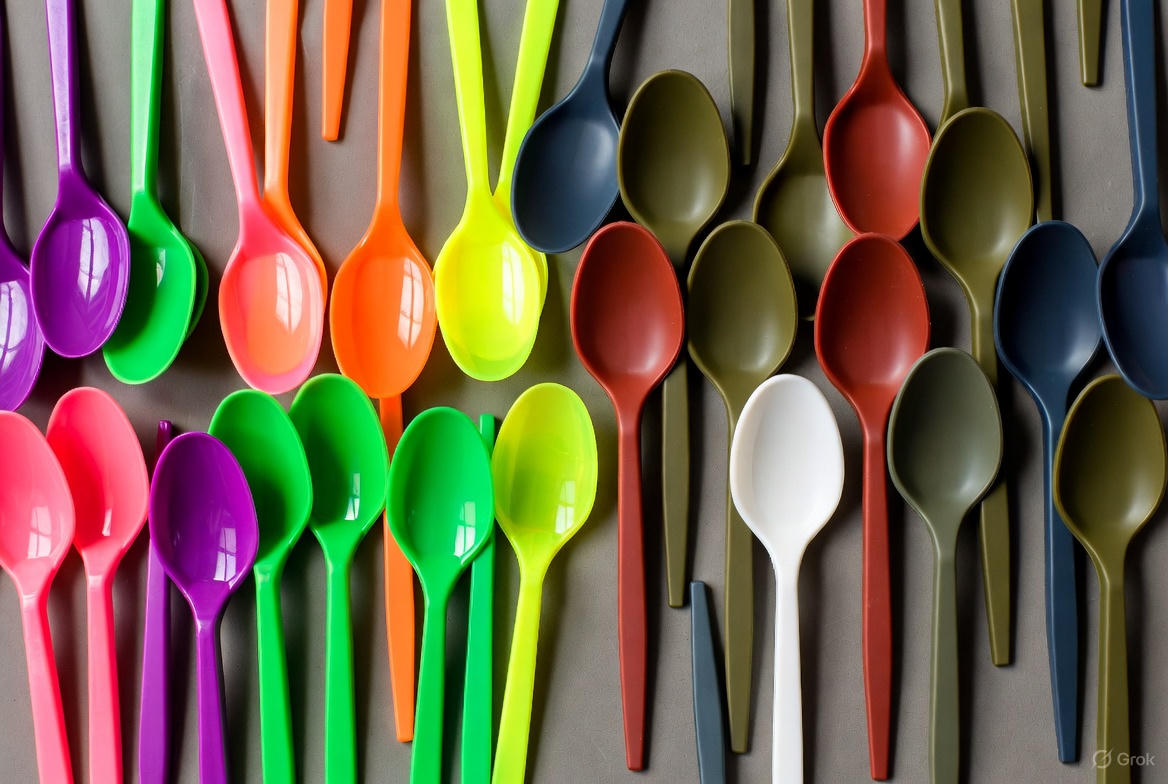
There's no universal winner—your choice depends on what you're painting.
Choose Army Painter Speedpaint 2.0 if:
- ✅ You're batch-painting armies (20+ models) and speed is the priority.
- ✅ You want the best value (lower price + free mixing balls).
- ✅ You prefer vibrant, saturated colors that "pop" on the tabletop.
- ✅ You want a massive range (90 colors) to match any scheme.
Choose Vallejo Xpress Color if:
- ✅ You paint character models, heroes, or display pieces where precision matters.
- ✅ You want muted, realistic tones (historical miniatures, grimdark armies).
- ✅ You need to blend or feather edges while the paint is wet (longer working time).
- ✅ You prefer a dead-matte finish.
My Personal Recommendation:
For a beginner starting a new army? Grab the Army Painter Speedpaint 2.0 Mega Set. The value is insane, and the reactivation issues are gone.
For the veteran painter who needs specific tones? Cherry-pick the Vallejo Xpress colors that fit your project (specifically Space Grey and Copper Brown).
Read Also: Acrylic Paint Guide for Miniatures: Do You Really Need Expensive Paint?